What Is Mulching on a Lawn Mower?
Mulching on a lawn mower means cutting clippings into small pieces and returning them to the lawn instead of a bag. It works best with dry grass, regular mowing, and the correct mulch setup.
On this page (8 sections)
- What does mulching do on a lawn mower?
- When should you mulch instead of bagging?
- Which mulching mower suits your yard?
- How do you set up a mower for mulching?
- Does mulching work with an electric or battery mower?
- How do you prevent clumps and care for a mulching mower?
- Can you mulch leaves with a lawn mower?
- Is mulching on a lawn mower right for you?
Mulching on a lawn mower means cutting grass clippings into small pieces and returning them to the lawn instead of collecting them in a bag. Those pieces settle between grass blades and break down, returning some nutrients to the soil.
The main benefit is fewer stops to empty a bag and less grass to haul away. The tradeoff is timing: mulching works best when you mow often enough to remove short, dry clippings.
What does mulching do on a lawn mower?
Mulching keeps clippings in the cutting area for further chopping before dropping them onto the lawn. The blade, deck shape, and discharge setup work together to process the cut grass.
Bagging moves clippings into a collection bag, while side discharge sends them out beside the mower. A mulching setup closes the intended discharge path so clippings spend longer beneath the deck.
What is mulching on a lawn mower doing for the soil?
Mulching returns organic matter and some nutrients as clippings break down. It can reduce the nutrients you need to replace, but it doesn't remove the need to assess your lawn's soil and feeding needs.
Fine clippings from regular mowing generally don't cause thatch buildup. Thatch is mainly a layer of slowly decomposing stems, roots, and other plant material, rather than the short leaf pieces left after a suitable cut.
A clean result should show mostly standing grass, with small pieces settling underneath. Long strips and piles mean the mower is handling more material than it can spread well.
When should you mulch instead of bagging?
Mulch routine growth and bag excess clippings that would otherwise cover the grass. Choose based on the amount and condition of the material, rather than sticking with one mode for every cut.
Use these checks before mowing:
- Dry grass with modest growth: mulch.
- Long grass after a missed cut: start with a higher deck setting and collect excess clippings if needed.
- Wet grass: wait for it to dry, even if you plan to bag.
- Clippings needed for collection or cleanup: use the bag.
Aim to remove no more than about one-third of the grass height in a mowing session. For grass standing 4.5 in tall, that means cutting to about 3 in rather than taking it straight down to 2 in.
If the lawn is badly overgrown, lower it gradually over separate mowing sessions. Repeated low passes on the same day can still remove too much leaf growth.
Bagging also helps near a doorway or play area where loose clippings are inconvenient. A mower that supports both modes gives you that choice without committing to collecting every cut.
Which mulching mower suits your yard?
Choose a mower you can push comfortably, with a suitable height range and enough battery capacity for your routine. All 4 models below support mulching and bagging, so their main differences concern yard layout, handling, and battery needs.
These are push mowers. If pushing across slopes or a larger lawn is already difficult, choose a different type rather than expecting mulching capability to reduce that effort.
WORX WG733.1: for small lawns with tight turns
The WG733.1 suits a small garden where low weight and easy turning matter more than covering long, open stretches. It weighs 21.7 lb and includes a 20V 5.0Ah battery and charger.
WORX claims coverage of up to 3,200 sq ft per charge. Leave room below that figure if your grass grows thick or your route involves frequent stops and turns.
Choose it for short mowing routes around beds and borders. Skip it for a broad lawn where its narrow deck would mean too many passes, or if your grass needs a cutting height above its 3 in maximum.
WORX WG735: for compact yards and limited storage
The WG735 fits buyers who want a compact mower with folding storage and already use WORX PowerShare tools. Its collapsible frame and integrated carry handle help when the mower must move between the lawn and a small storage space.
The kit includes two 4.0Ah batteries and a charger. WORX claims coverage of up to 1/8 acre, while IntelliCut adjusts torque as grass conditions change.
Choose it when narrow paths and storage space shape the decision. Skip it if you need a cutting height above 3 in or want fewer passes across a larger, open yard.
WORX WG745: for more open lawn and taller cuts
The WG745 is the stronger fit here for an open mowing route or a taller grass setting. Its cutting-height range reaches 4 in, giving it more room for grass maintained higher than the compact WORX models allow.
WORX claims coverage of up to 1/4 acre with the included pair of 4.0Ah batteries. The mower also has an onboard charge display and handles that collapse for storage.
Choose it when reducing passes matters more than easy lifting. Skip it if moving a roughly 40 lb mower up steps would be difficult or if you need powered assistance while walking.
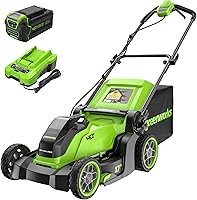
Greenworks 40V: for an existing Greenworks tool setup
The Greenworks model suits buyers who already use compatible Greenworks 40V tools. Sharing a battery platform can simplify charging and make a spare battery useful across several yard jobs.
It includes a 4.0Ah battery and charger, and Greenworks claims up to 35 minutes of runtime. Greenworks backs the tool and battery with a 3-year limited warranty.
Choose it if your regular mowing route fits comfortably within the claimed runtime. Skip it if your lawn usually takes longer and you don't want a recharge break or another battery.
For tight plots, compare our best lawn mowers for small yards. Our cordless lawn mower buying guide covers battery systems, while how to choose a lawn mower starts with your yard's layout.
How do you set up a mower for mulching?
Follow the manual's mulch configuration before starting, including the correct blade, plug, and discharge cover. Taking off the collection bag alone may leave the mower configured incorrectly.
- Shut down the mower, remove its battery or disconnect its power, and wait for all moving parts to stop.
- Remove the bag if instructed, then fit the intended mulch plug or select the mulch setting.
- Check that covers and parts are secured as the manual requires.
- Set the cutting height for your grass type and current growth.
- Clear sticks, stones, toys, and other debris before starting.
Never improvise a plug or hold a discharge cover open. Use compatible parts, and keep all guards in place.
Make a short first pass and inspect the result after stopping safely. If it leaves long clippings or piles, raise the deck and reduce your walking pace before continuing.
Does mulching work with an electric or battery mower?
Yes, provided the mower supports mulching. Battery, corded electric, and gas models can all return clippings to the lawn when designed and configured for that job.
Dense growth makes the motor work harder and can shorten battery runtime. A brushless motor or automatic speed adjustment doesn't remove the need to mow at a suitable height and pace.
Allow a battery margin instead of choosing a mower whose claimed coverage exactly matches your lawn. Our guide to cordless mower battery life explains the conditions that affect time between charges.
For the wider tradeoffs, read whether electric lawn mowers are worth it. For cordless ownership questions, see are battery lawn mowers any good?.
How do you prevent clumps and care for a mulching mower?
Control the amount of grass entering the deck and keep the cutting area clean. These steps matter more than repeatedly driving over a heavy pile of clippings.
Avoid these common mistakes:
- Walking too fast: slow down in thicker patches so the mower can process the grass.
- Cutting too low: use a height suited to your grass, rather than the lowest available setting.
- Ignoring a dull blade: arrange sharpening or replacement as directed when cutting becomes ragged.
- Leaving packed grass under the deck: clean buildup using the manual's safe method.
- Mowing damp growth: wait until the grass dries to reduce sticking and clumping.
Remove power before cleaning or inspecting the underside, and never reach beneath a running mower. Follow the manual for tipping and cleaning; don't direct water at electrical parts.
Check the mulch plug and discharge cover for damage or poor fit. If clumps remain after correcting your pace and height, collect the excess rather than leaving it pressed over living grass.
Can you mulch leaves with a lawn mower?
A light layer of dry leaves can be chopped into the lawn if the mower manual permits it. The pieces should settle between grass blades, leaving the lawn visible.
Remove thick piles first and check the result after a pass. If chopped leaves still hide the grass, collect some instead of adding more material.
Avoid wet leaf mats, which are harder to break apart and spread. Mulching leaves is useful for manageable amounts, not a reason to bury the lawn beneath a season's accumulation.
Is mulching on a lawn mower right for you?
Choose mulching for frequent cuts and less clipping disposal; keep bagging available for excess growth and cleanup. Your mowing schedule matters as much as the mower's features.
Pick the WG733.1 for easy handling on a small plot, the WG735 for compact storage, or the WG745 for more open ground and higher cutting settings. Choose Greenworks when its battery platform and runtime fit your routine.
Before ordering, match your grass height, mowing area, and pushing comfort to the mower. Compare the wider options in our best cordless lawn mower guide.
Frequently asked questions
What does mulching mean on a lawn mower?
Mulching means cutting grass clippings into small pieces and returning them to the lawn instead of collecting them. A mower designed for mulching keeps clippings circulating under the deck for further cutting.
Use its intended blade and mulch setup so the pieces settle among the grass without forming heavy clumps.
Is it better to mulch or bag lawn clippings?
Mulching is a good choice for routine cuts on dry grass because it avoids collecting clippings and returns some nutrients to the soil. Bagging suits excess growth that leaves visible piles even after you raise the deck and slow down.
Wait for wet grass to dry before using either mode.
Do you need a special blade to mulch grass?
Use the blade and mulch parts specified for your mower. Some models use one blade for both bagging and mulching, while others need a different blade or accessory.
Removing the bag alone may not create a proper mulching setup, so follow the manual before changing parts or blocking any discharge opening.
Can you mulch leaves with a lawn mower?
You can chop a light layer of dry leaves if your mower's manual allows it. Remove heavy piles first, then check that the chopped pieces settle between grass blades rather than hiding the lawn.
Collect excess leaves when repeated passes still leave a thick covering, and avoid mowing wet leaf mats.